Screen habits
Digital Eye Strain: How the 20-20-20 Rule Works, Step by Step
Digital eye strain is tired, dry or uncomfortable eyes after long screen use, partly because you blink less. The 20-20-20 rule is the main fix: every 20 minutes, look at something 20 feet away for 20 seconds. Screen strain usually eases with rest. No supplement, VisiFlora included, replaces those breaks.
Written by the VisiFlora editorial teamUpdated · 7 min read

The basics
What is digital eye strain?
Digital eye strain is the tired, dry or sore feeling your eyes get after long stretches at a screen. It usually goes away with rest (AAO: screen time and eye strain tips).
One big reason is blinking. Looking at screens can cut blinking by about a third to a half, and fewer blinks dry the eyes (AAO: screen time and eye strain tips). Phones, tablets, laptops and TVs all count.
The fix
How does the 20-20-20 rule work?
Every 20 minutes, look at something 20 feet away for 20 seconds. The American Academy of Ophthalmology advises it, and so does NEI.
Set a 20-minute reminder
Use a phone timer or a computer alert. A reminder turns breaks into a habit.
Look 20 feet away
Pick a spot about 20 feet off, such as a window, a doorway or the far end of a room.
Hold it for 20 seconds
Keep your gaze there and let your eyes relax. Blink a few times on purpose.
Repeat all day
Restart the timer and keep going. The Academy and NEI both advise this break (AAO: screen time and eye strain tips) (NEI: everyday ways to keep eyes healthy).
The rule is easy to remember and costs nothing. The hardest part is the reminder, so set one before you start work.
Your day
How do screen breaks fit into a normal day?
Build them around habits you already have. Here is one sample day with breaks, sunglasses outdoors and, if you use one, a supplement at a meal.
- Breakfast, about 8:00
One capsule with food, as the sales page directs. A meal also makes it easier to remember.
- Or dinner, about 6:30 pm
Pick one meal and keep it, so you never take a second capsule by mistake.
- Outdoors? Wear UV-blocking sunglasses
NEI advises lenses that block 99-100% of UVA and UVB.
- At screens: 20-20-20
Every 20 minutes, look 20 feet away for 20 seconds. A capsule cannot replace breaks.
Times are examples. Directions (Sales page, tryvisiflora.com); sunglasses (NEI: everyday ways to keep eyes healthy); screen breaks (AAO: screen time and eye strain tips).
Dry eyes
Why do screens make your eyes feel dry?
Because you blink less while you look at them. Fewer blinks spread fewer tears across the eye (AAO: screen time and eye strain tips).
Dry eye is a separate condition, though screens can play a part. It happens when eyes do not make enough tears or the tears do not work well. It can cause scratchiness, burning, redness, light sensitivity or blurry vision (NEI: dry eye).
- Risk is higher from age 50, in women, in contact lens users and in heavy screen users (NEI: dry eye).
- Mild cases may be helped by over-the-counter artificial tears (NEI: dry eye).
- If dryness lasts, an eye doctor can check the cause.
Filters and glasses
Do blue-light glasses help with eye strain?
Probably not much. In a study cited by the Academy, blue-light filters performed no better than neutral filters (AAO: screen time and eye strain tips).
That means money may be better spent elsewhere. Breaks and blinking address the dryness that screens cause, and they are free.
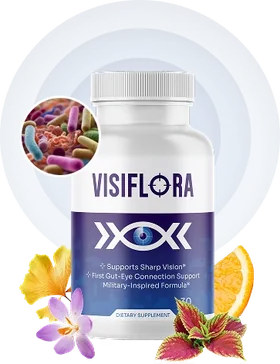
Try VisiFlora for 60 days1 capsule a day with food · from $49 a bottle · free U.S. shipping on 3 or 6 bottles
Order nowQuick reference
Which screen habits are worth keeping?
The ones with sources behind them. This table sorts the common advice by what the cited eye-health groups say.
| Habit | What the sources say | Worth it? |
|---|---|---|
| 20-20-20 breaks | Advised by the Academy and NEI (AAO: screen time and eye strain tips) (NEI: everyday ways to keep eyes healthy) | Yes |
| Blinking on purpose | Screens cut blinking by a third to a half (AAO: screen time and eye strain tips) | Yes |
| Artificial tears for mild dryness | May help mild dry eye (NEI: dry eye) | Often |
| Blue-light filters | No better than neutral filters in a study (AAO: screen time and eye strain tips) | Unlikely |
| An eye supplement | Small, early studies for single ingredients (Review: astaxanthin and the eye) | Not a substitute |
Capsules
Can an eye supplement fix screen eye strain?
No supplement replaces breaks. The ingredient with the most screen-strain interest, astaxanthin, has only small human studies at 4 or 12 mg a day for 28 days, and more trials are needed (Review: astaxanthin and the eye).
VisiFlora lists astaxanthin, but its amount is not published (Brand advertorial, ACCESS Newswire). If you try it, take one capsule a day with food and keep the 20-20-20 habit. Read our astaxanthin research summary and the how-to-use guide.
When to get checked
When does eye strain need an eye exam?
When it lasts after rest or comes with changes in your sight. Eye symptoms need an exam, not a supplement.
Blur, headaches or dryness stay after a week of good breaks, or you have not had an eye exam since 40. The Academy suggests a baseline exam at 40 and regular checks after that (AAO: how often adults need eye exams). See our exam schedule by age.
Sudden floaters, flashes of light or a shadow over your vision can mean retinal detachment, a medical emergency (NEI: urgent warning signs). Go to an eye doctor or emergency room right away. Our eye health guide covers the rest.
FAQ
Screen and eye strain questions, answered
What is the 20-20-20 rule?
Every 20 minutes, look at something 20 feet away for 20 seconds. The American Academy of Ophthalmology advises it for screen use (AAO: screen time and eye strain tips), and NEI recommends the same break (NEI: everyday ways to keep eyes healthy). A phone timer is the easiest way to remember it.
Does digital eye strain cause permanent damage?
The Academy says screen eyestrain usually goes away with rest (AAO: screen time and eye strain tips). If blur, dryness or headaches last after you rest your eyes, book an eye exam to find the cause. Sudden floaters, flashes or a shadow need care right away (NEI: urgent warning signs).
Are blue-light glasses worth it?
Probably not for eye strain. In a study cited by the Academy, blue-light filters performed no better than neutral filters (AAO: screen time and eye strain tips). Regular breaks and blinking address the dryness that screens cause, at no cost.
Why do my eyes feel dry after using a computer?
Because screens cut blinking by about a third to a half, and fewer blinks dry the eyes (AAO: screen time and eye strain tips). Dry eye risk is also higher from age 50, in women and in contact lens users. Mild cases may be helped by artificial tears (NEI: dry eye).
Can VisiFlora help with eye strain from screens?
No one can say. VisiFlora lists astaxanthin, which small studies tied to less eyestrain at 4 or 12 mg a day (Review: astaxanthin and the eye), but its amount is not published (Brand advertorial, ACCESS Newswire). Use the 20-20-20 rule either way; it has the stronger support.
How often should I take screen breaks?
About every 20 minutes, for 20 seconds, looking 20 feet away (AAO: screen time and eye strain tips). Short, frequent breaks are the advice. Pair each one with a few full blinks to help keep the eyes moist.
Do artificial tears help screen strain?
They may help mild dry eye, according to NEI (NEI: dry eye). They do not replace breaks. If you need drops most days, or your eyes stay red or blurry, see an eye doctor to check for dry eye or another cause.
Who wrote this
Written and reviewed by
Plain-language pages built from what the seller publishes and from linked eye-health sources.
Last updated . Read our editorial standards and how we check reviews. This website is run by a USA authorized VisiFlora retailer, not by the manufacturer. We earn money when you buy through our order links.
Keep reading
More about VisiFlora
How to use
One capsule a day with food: timing, missed capsules, other vitamins and what to track for 60 days.
Read more
Astaxanthin and eye strain
What small studies found about astaxanthin and tired eyes, the doses they used, and what VisiFlora does not publish.
Read moreEye health guide
Exams by age, urgent warning signs, AREDS2, foods and screen habits: the eye care steps with the strongest evidence.
Read moreUSA authorized VisiFlora retailer
Ready to try VisiFlora?
Pick a pack. Every pack covers at least the 60-day money-back window at one capsule a day.
- Secure BuyGoods checkout
- 60-day money-back window
- Ships from the U.S. with tracking